
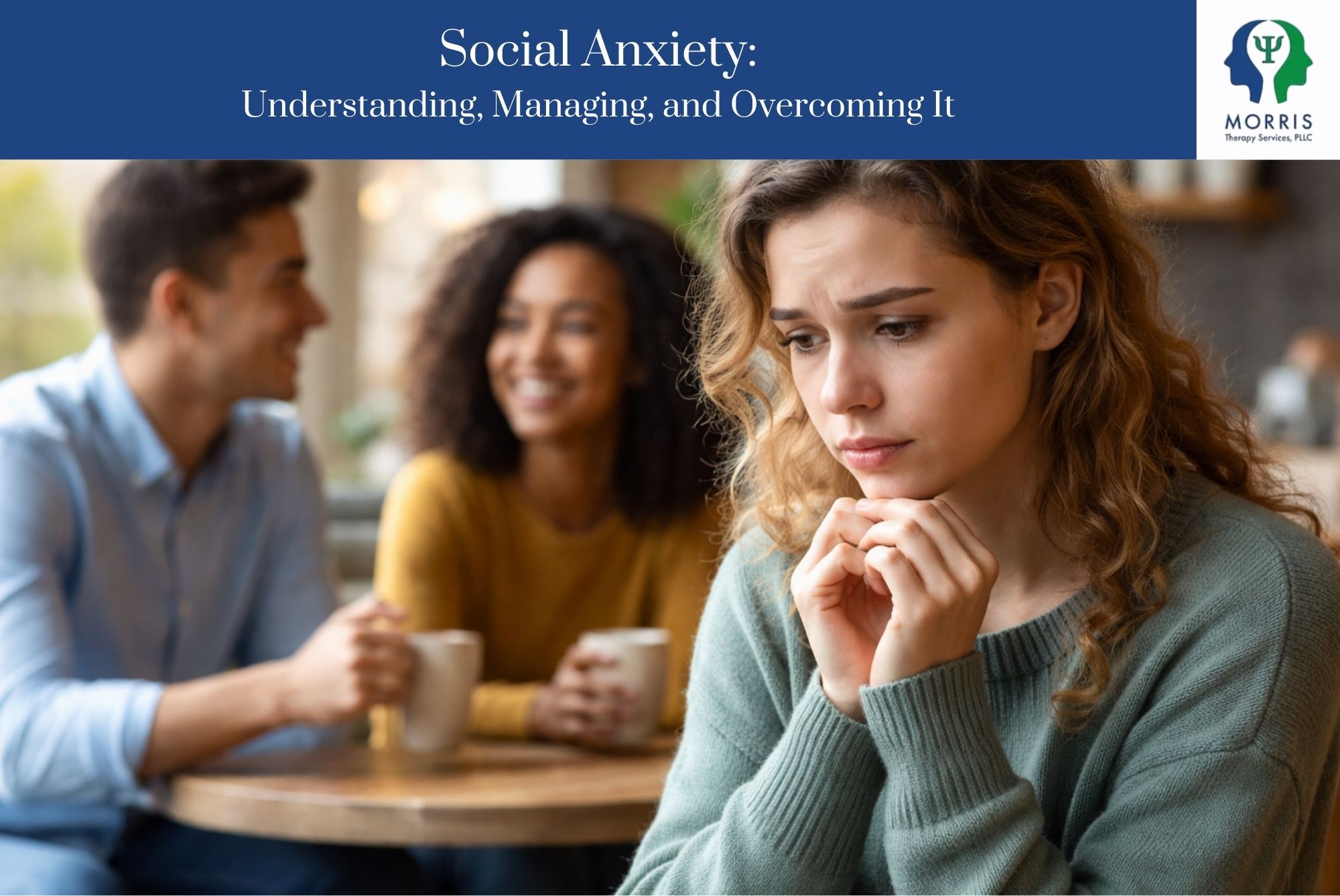
Social anxiety is more than just feeling shy or nervous in social situations. For many people, it can significantly impact daily life, relationships, and opportunities. At Morris Therapy Services, PLLC, we understand how challenging social anxiety can be—and we’re here to help individuals build confidence, develop coping skills, and regain control of their lives.
In this guide, we’ll explore what social anxiety is, its symptoms and causes, and how professional therapy can help individuals overcome it.
What Is Social Anxiety?
Social anxiety disorder (also known as social phobia) is a mental health condition characterized by intense fear or anxiety in social situations. Individuals with social anxiety often worry about being judged, embarrassed, or negatively evaluated by others.
While it’s normal to feel nervous before speaking in public or meeting new people, social anxiety disorder involves persistent and overwhelming fear that interferes with everyday activities such as:
- Speaking in meetings or classes
- Attending social gatherings
- Meeting new people
- Eating or drinking in public
- Performing tasks while being observed
Without proper support, social anxiety can lead to isolation, low self-esteem, and missed personal or professional opportunities.
Common Symptoms of Social Anxiety
Social anxiety can affect people emotionally, physically, and behaviorally. Symptoms may vary from person to person but commonly include:
Emotional Symptoms
- Intense fear of social situations
- Worry about being embarrassed or judged
- Fear of interacting with unfamiliar people
- Anticipating social situations with dread
Physical Symptoms
- Rapid heartbeat
- Sweating or trembling
- Nausea or stomach discomfort
- Blushing
- Difficulty speaking or maintaining eye contact
Behavioral Symptoms
- Avoiding social gatherings
- Avoiding speaking in front of others
- Overanalyzing interactions afterward
- Relying on alcohol or other coping mechanisms to manage anxiety
If these symptoms occur frequently and disrupt daily life, professional support can make a significant difference.
What Causes Social Anxiety?
Social anxiety usually develops due to a combination of biological, psychological, and environmental factors.
Genetics
Research suggests social anxiety may run in families, meaning some individuals may have a genetic predisposition to anxiety disorders.
Brain Function
Certain areas of the brain involved in fear response may be more active in people with social anxiety.
Past Experiences
Negative experiences such as bullying, criticism, or embarrassing moments can contribute to the development of social anxiety.
Learned Behaviors
Growing up in an environment where social situations are avoided or overly criticized may also increase the likelihood of developing social anxiety.
How Social Anxiety Impacts Daily Life
When left untreated, social anxiety can affect many aspects of life, including:
- Career advancement – Avoiding presentations, meetings, or networking opportunities
- Relationships – Difficulty forming friendships or romantic relationships
- Education – Avoiding participation in class discussions or group projects
- Mental health – Increased risk of depression and low self-esteem
The good news is that social anxiety is highly treatable, especially with the right therapeutic support.
Effective Treatment Options for Social Anxiety
At Morris Therapy Services, PLLC, treatment plans are tailored to each individual’s needs and goals. Some of the most effective approaches include:
Cognitive Behavioral Therapy (CBT)
CBT is one of the most widely used treatments for social anxiety. It helps individuals:
- Identify negative thought patterns
- Challenge irrational fears
- Develop healthier perspectives about social situations
Exposure Therapy
Gradual exposure to feared social situations helps reduce anxiety over time by building confidence and familiarity.
Mindfulness and Relaxation Techniques
Mindfulness, breathing exercises, and grounding techniques can help individuals manage anxiety symptoms in the moment.
Social Skills Training
Therapy may also include practical strategies for improving communication, assertiveness, and confidence in social interactions.
Tips for Managing Social Anxiety in Everyday Life
While therapy is highly beneficial, there are also practical steps individuals can take to manage social anxiety.
Practice Small Social Interactions
Start with manageable situations such as brief conversations with coworkers or neighbors.
Challenge Negative Thoughts
Ask yourself whether your fears about being judged are based on facts or assumptions.
Focus on the Conversation
Shift attention away from your own anxiety and toward the person you’re speaking with.
Use Relaxation Techniques
Deep breathing and grounding exercises can help reduce physical symptoms of anxiety.
Celebrate Small Wins
Progress often happens gradually, so recognizing small improvements can help build motivation and confidence.
Frequently Asked Questions About Social Anxiety
What is the difference between shyness and social anxiety?
Shyness is a personality trait and usually mild. Social anxiety disorder involves intense fear that significantly interferes with daily life, often causing people to avoid social situations altogether.
Can social anxiety go away on its own?
While some people experience improvements over time, social anxiety often persists without treatment. Therapy can provide effective tools to help individuals overcome fears and build confidence.
How common is social anxiety disorder?
Social anxiety disorder is one of the most common anxiety disorders. Millions of people experience it, but many do not seek treatment even though effective help is available.
What type of therapy works best for social anxiety?
Cognitive Behavioral Therapy (CBT) is widely considered the most effective treatment. It helps individuals change negative thought patterns and gradually face feared situations in a supportive environment.
How long does treatment take?
Treatment length varies depending on the individual. Some people notice improvements within a few months, while others may benefit from longer-term therapy to address underlying concerns.
Can social anxiety affect children and teens?
Yes. Social anxiety often begins during childhood or adolescence. Early support and therapy can help young people develop healthy coping skills and confidence.
When should someone seek professional help?
It may be time to seek help if social anxiety:
- Causes avoidance of everyday activities
- Interferes with work, school, or relationships
- Leads to intense physical symptoms of anxiety
- Causes persistent distress or isolation
A qualified therapist can help individuals understand their anxiety and develop strategies for managing it effectively.
Compassionate Support for Social Anxiety
Overcoming social anxiety is possible with the right guidance and support. At Morris Therapy Services, PLLC, our goal is to provide a safe, supportive environment where individuals can explore their concerns, develop coping skills, and build lasting confidence.
If social anxiety is affecting your life, reaching out for professional support is an important step toward improved well-being.
Contact Morris Therapy Services, PLLC
Morris Therapy Services, PLLC
5331 Primrose Lake Cir Ste 113
Tampa, FL 33647
Phone: (813) 563-6430
Website:
https://morristherapyservices.com
Request An Appointment:
https://morristherapyservices.com/appointments